




Zellige
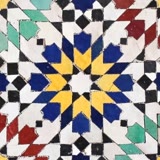
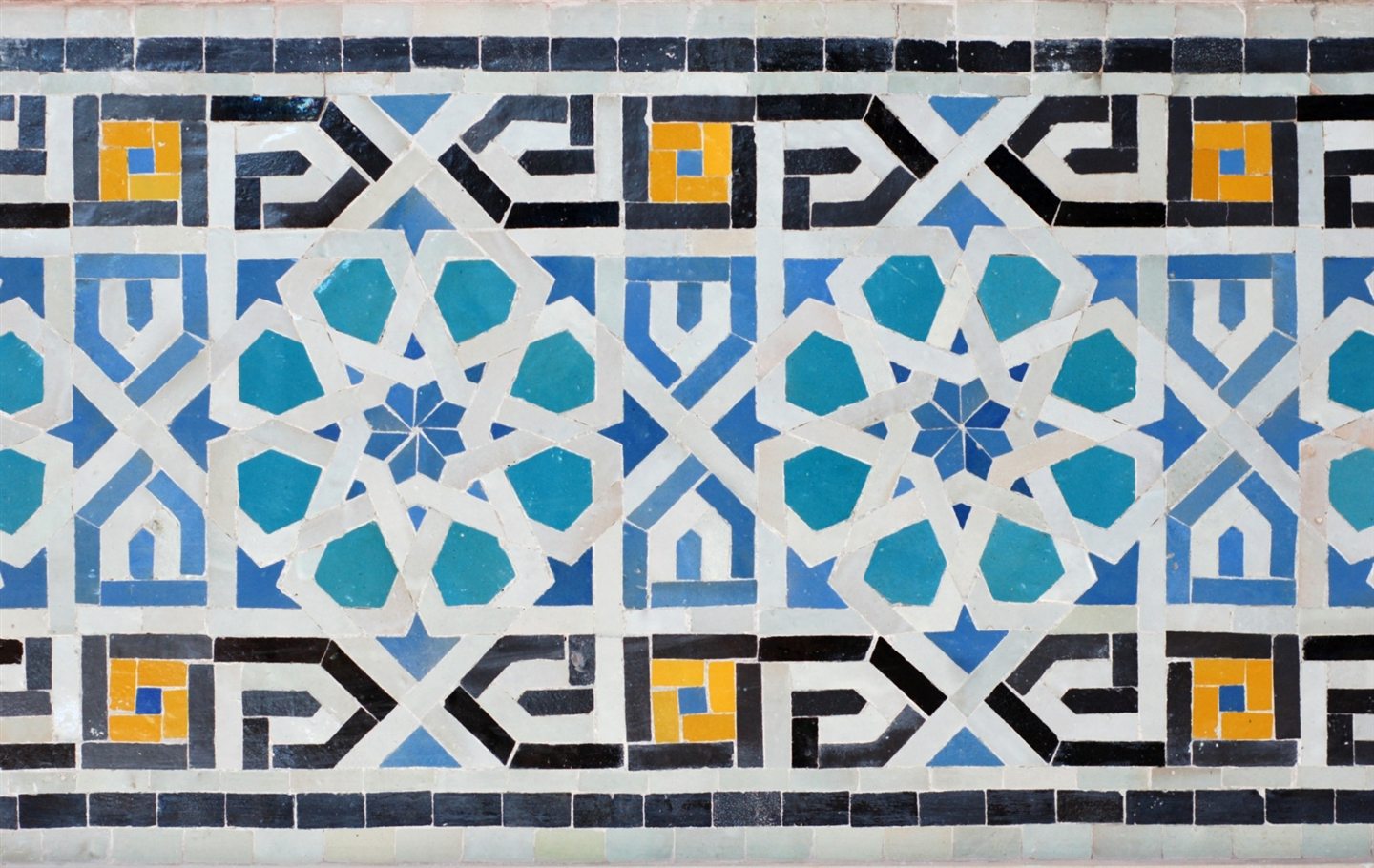
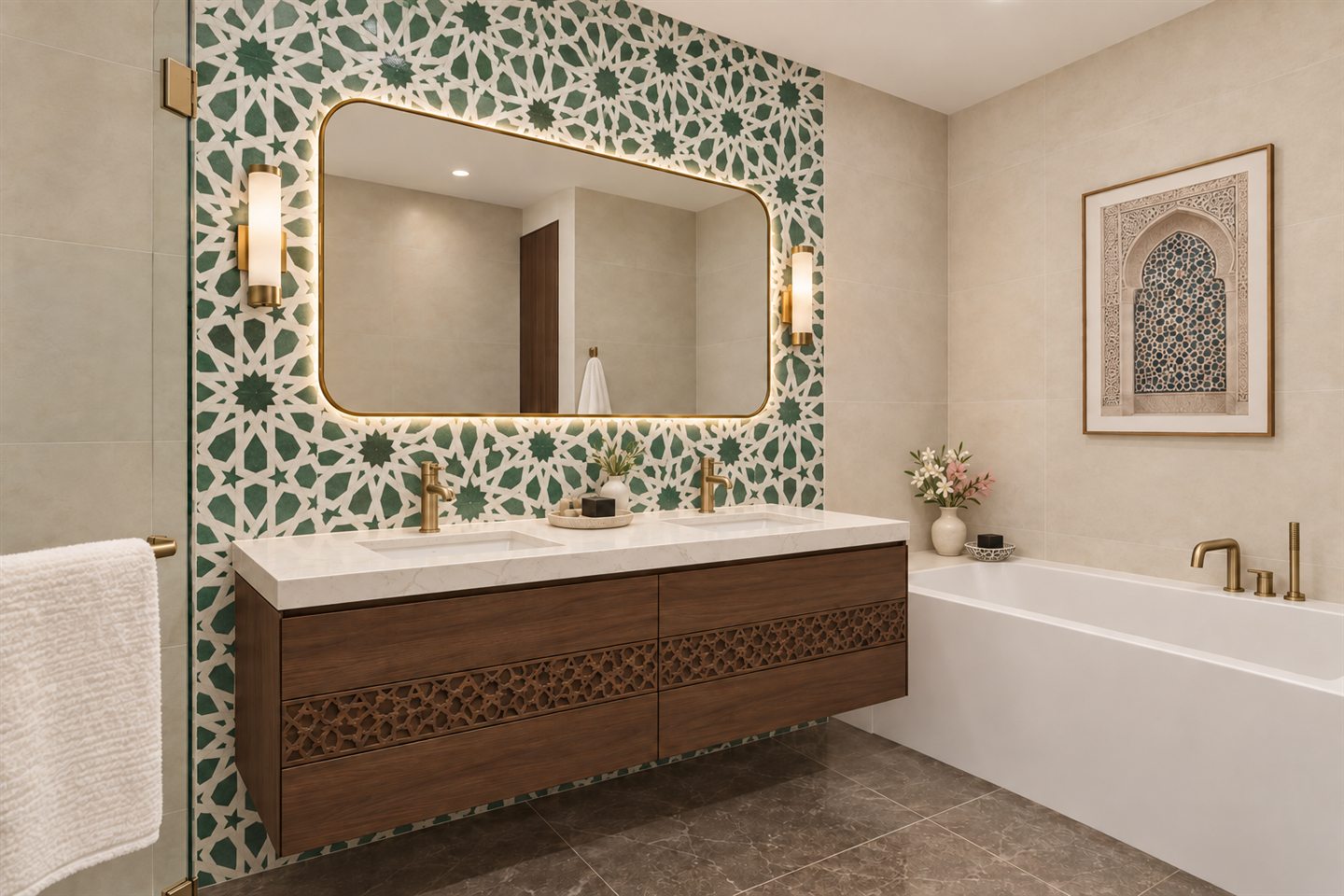
Thousands of small glazed pieces that form stars and rosettes. No two are exactly alike: that’s its signature.
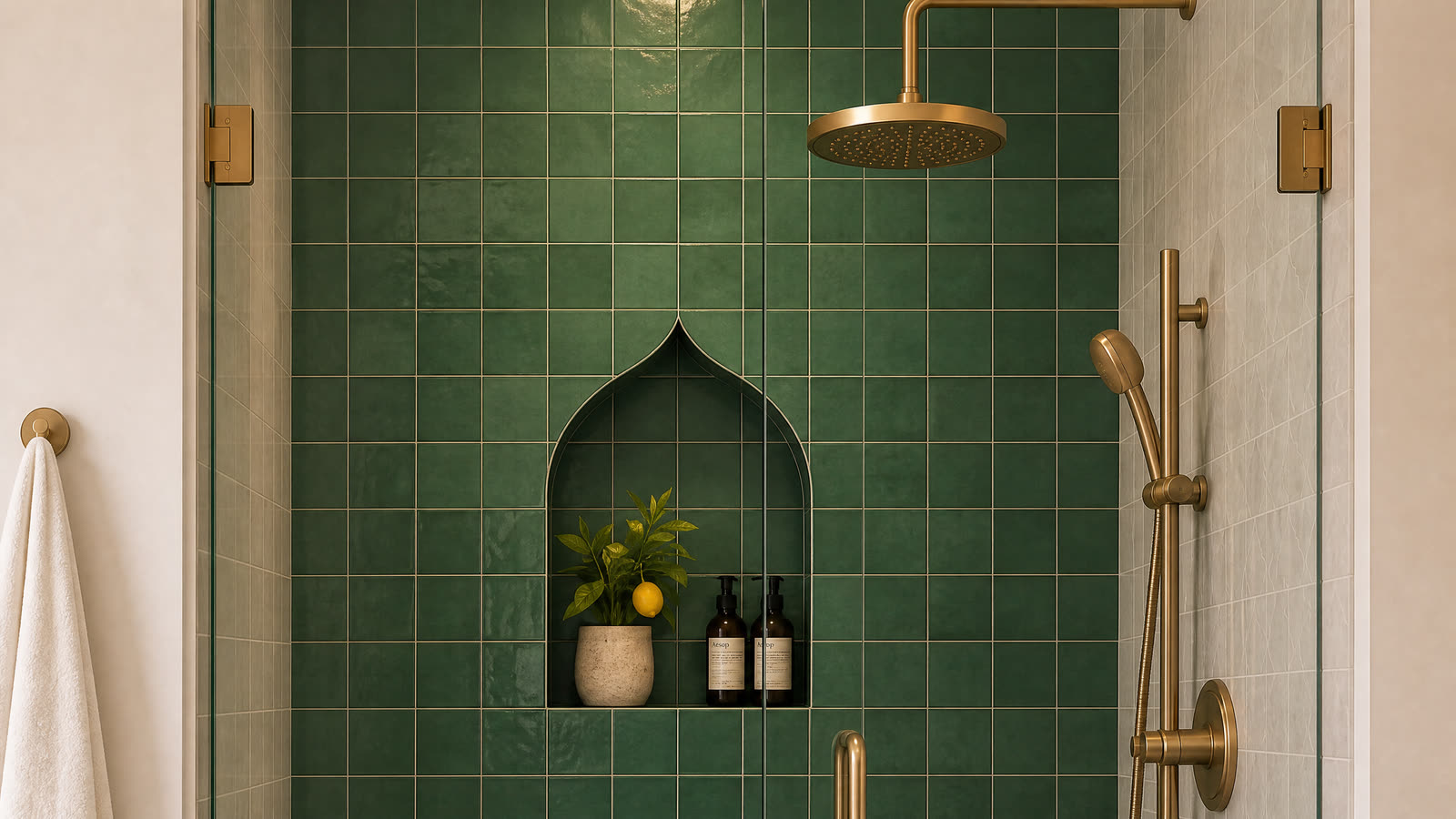
At your placeA shower, a backsplash, an entrance floor.
- Cobalt blue
- Emerald
- Ochre
- Off-white
Zellige, carved plaster, crafted wood: skills that bring depth to a home of today. In chosen touches, without changing everything.
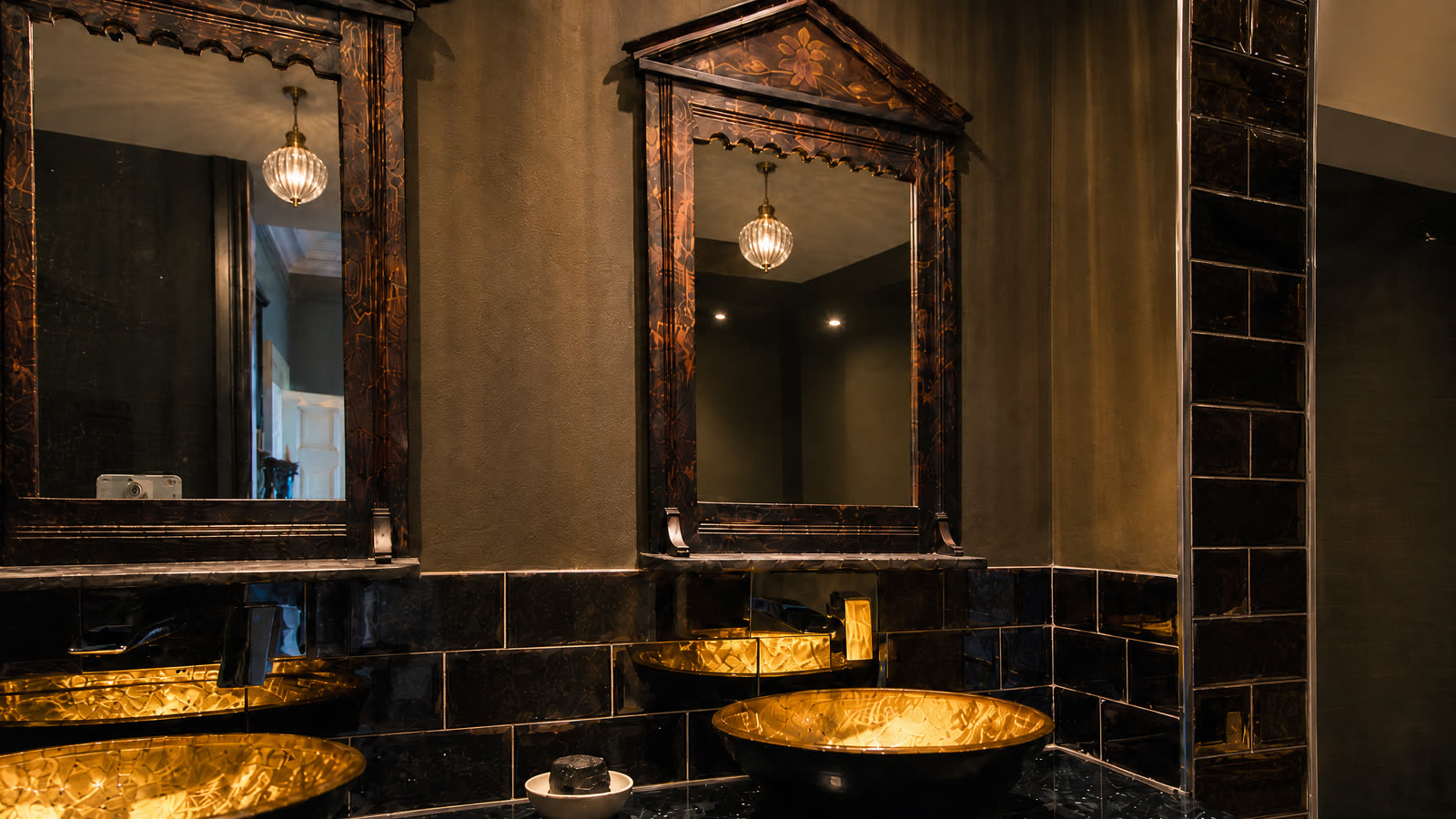
A geometry
that tells a story.
For families who grew up within these colourful walls, it’s a little piece of home. For those discovering them, it’s an encounter with a unique craft. Either way, these materials deserve to be understood before they’re installed: behind every piece, there is first the patient work of a hand.
Thousands of small glazed pieces that form stars and rosettes. No two are exactly alike: that’s its signature.
At your placeA shower, a backsplash, an entrance floor.
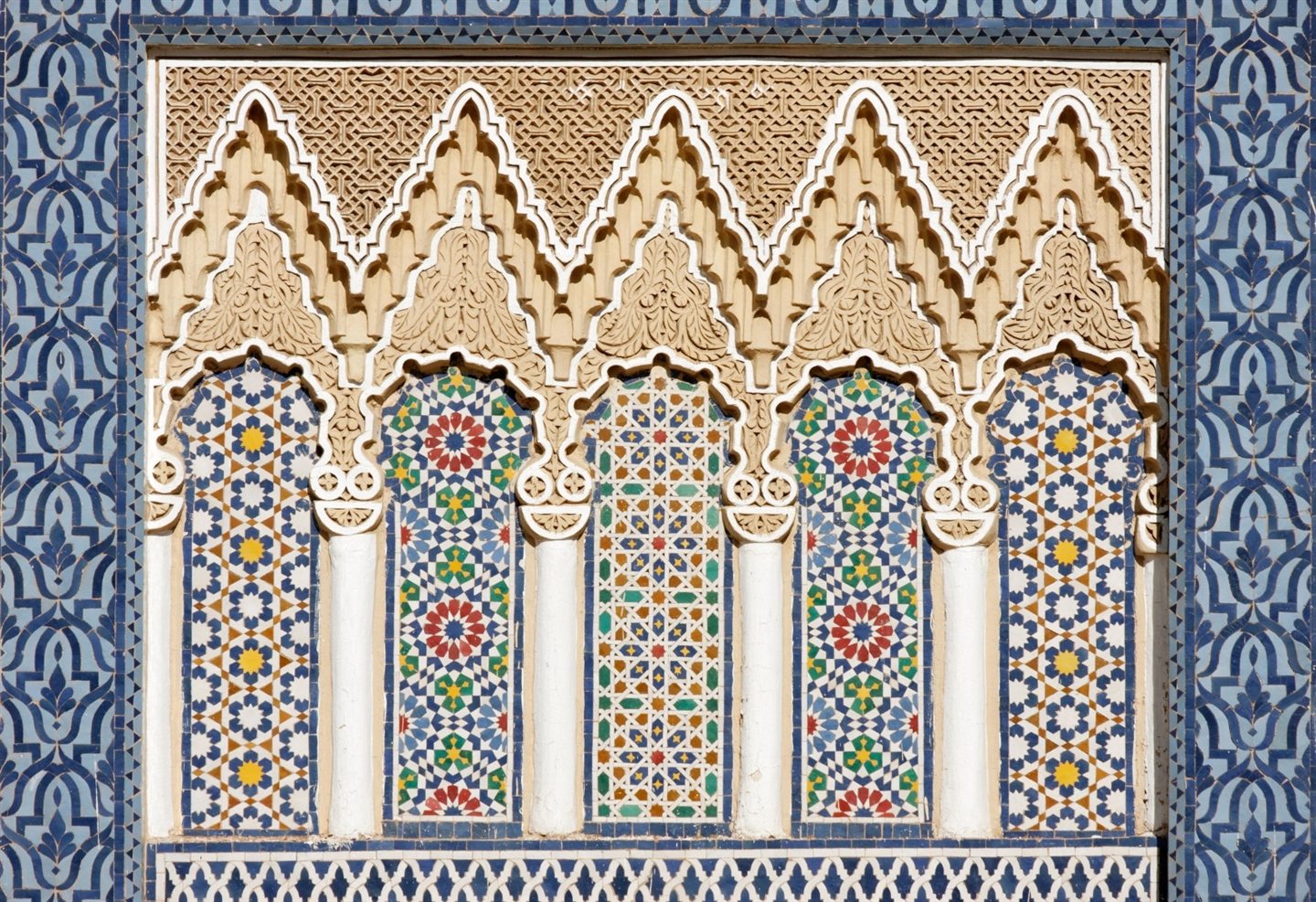
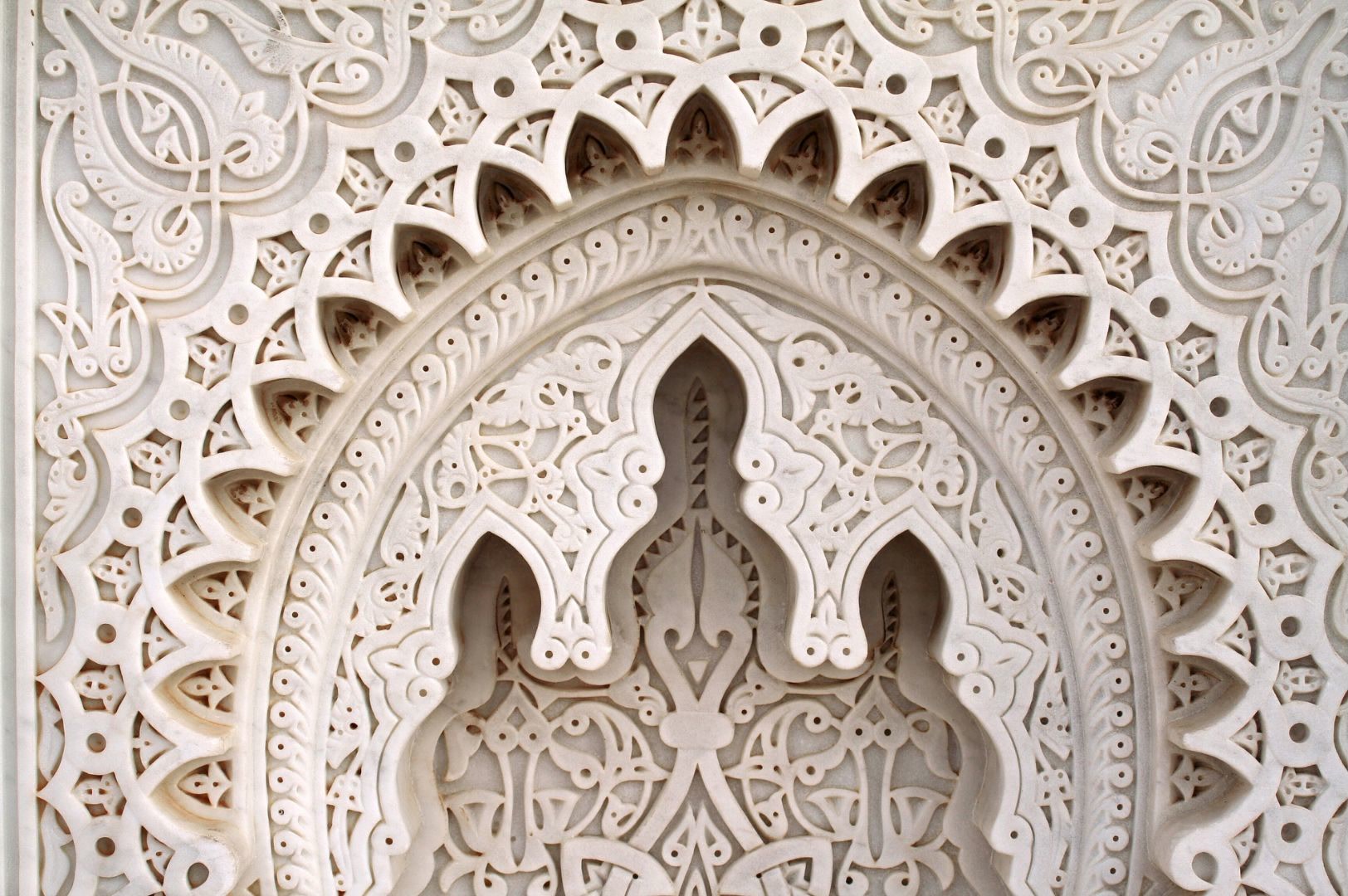
Carved by hand, chiselled like lace on arches, friezes and ceilings.
At your placeAn arch, a niche, a ceiling.
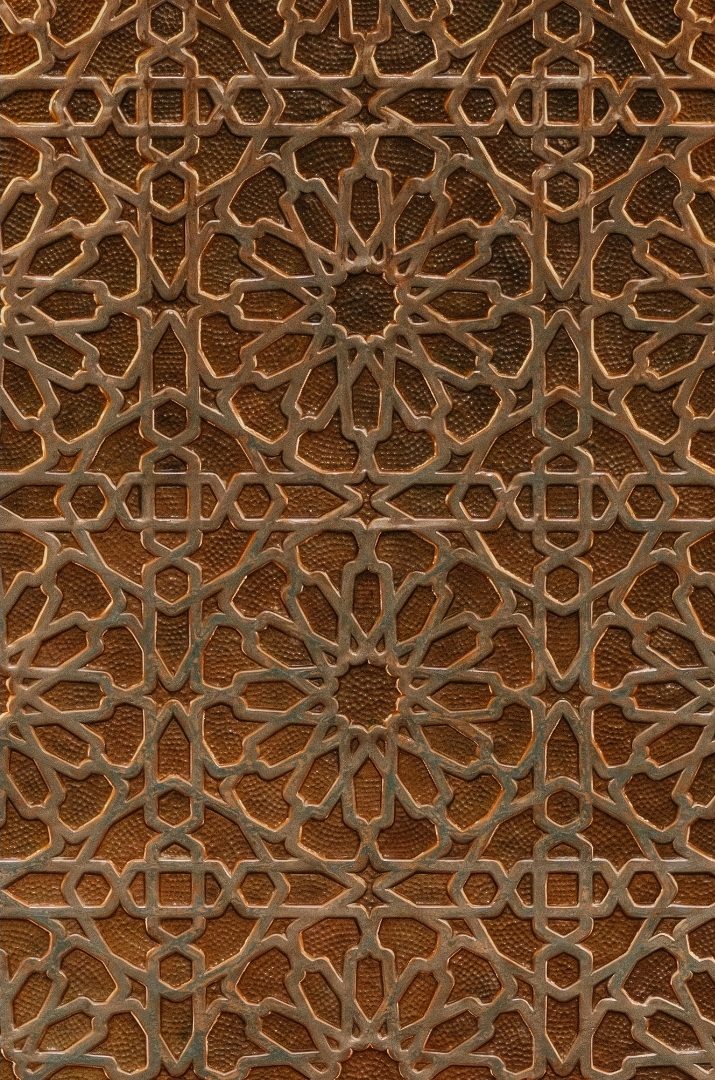
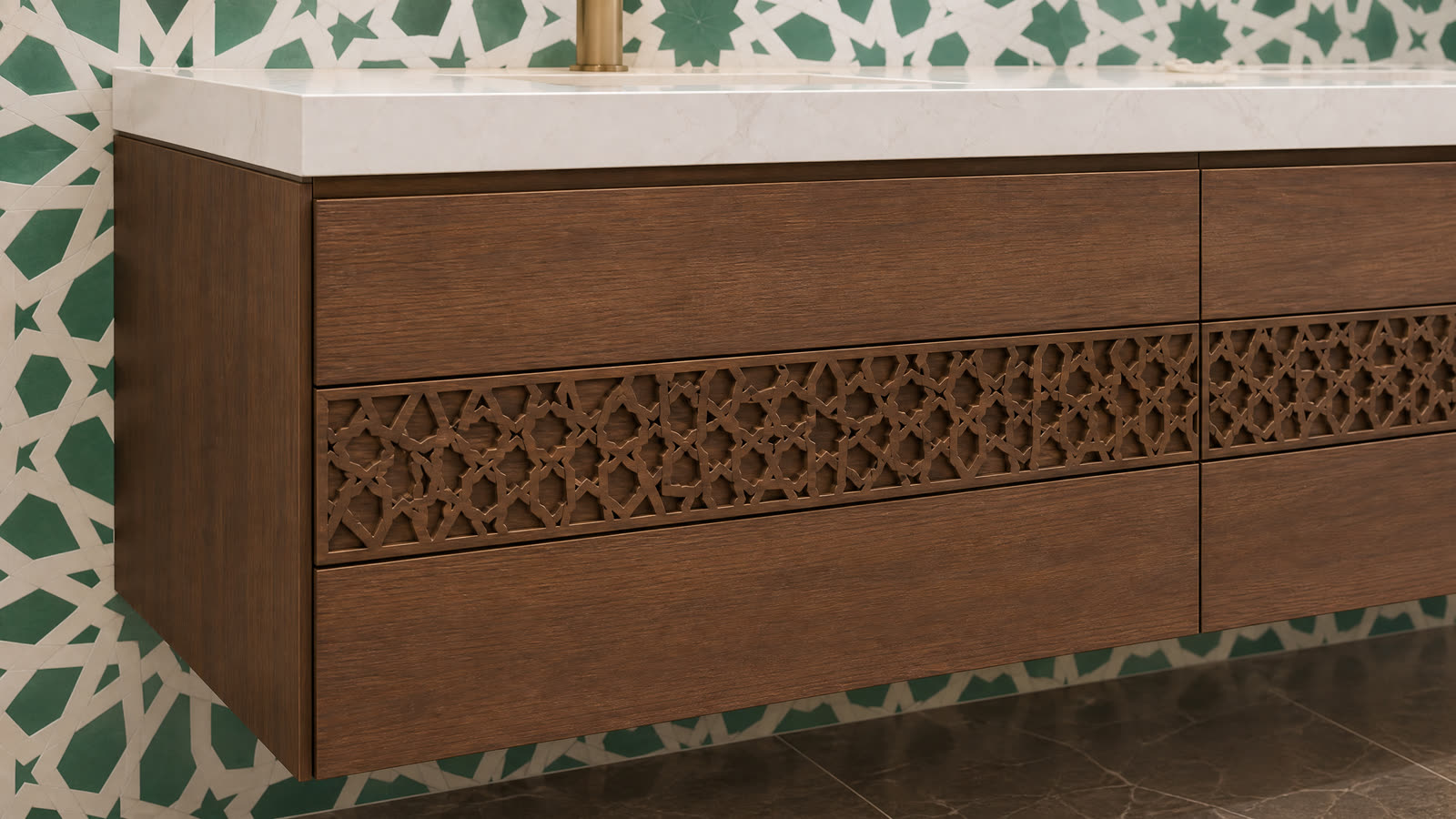
Atlas cedar wood, carved or painted, for doors, ceilings and mashrabiyas.
At your placeA door, a ceiling, a screen.
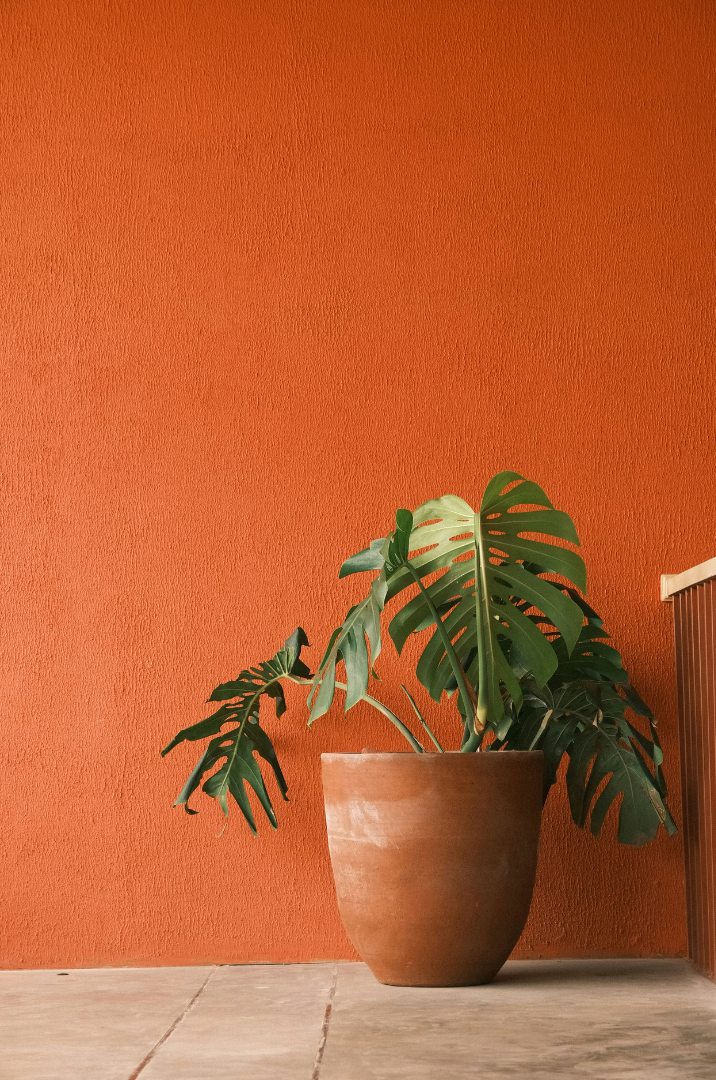
A lime plaster polished with stone and black soap. Soft to the touch, it traditionally lines hammams.
At your placeA shower wall, a basin, a living room wall.
You can love these traditions without asking the whole room to tell the same story.
Explore the inspirationsFour Moroccan-inspired bathrooms, seen up close: materials, craft and finishes.
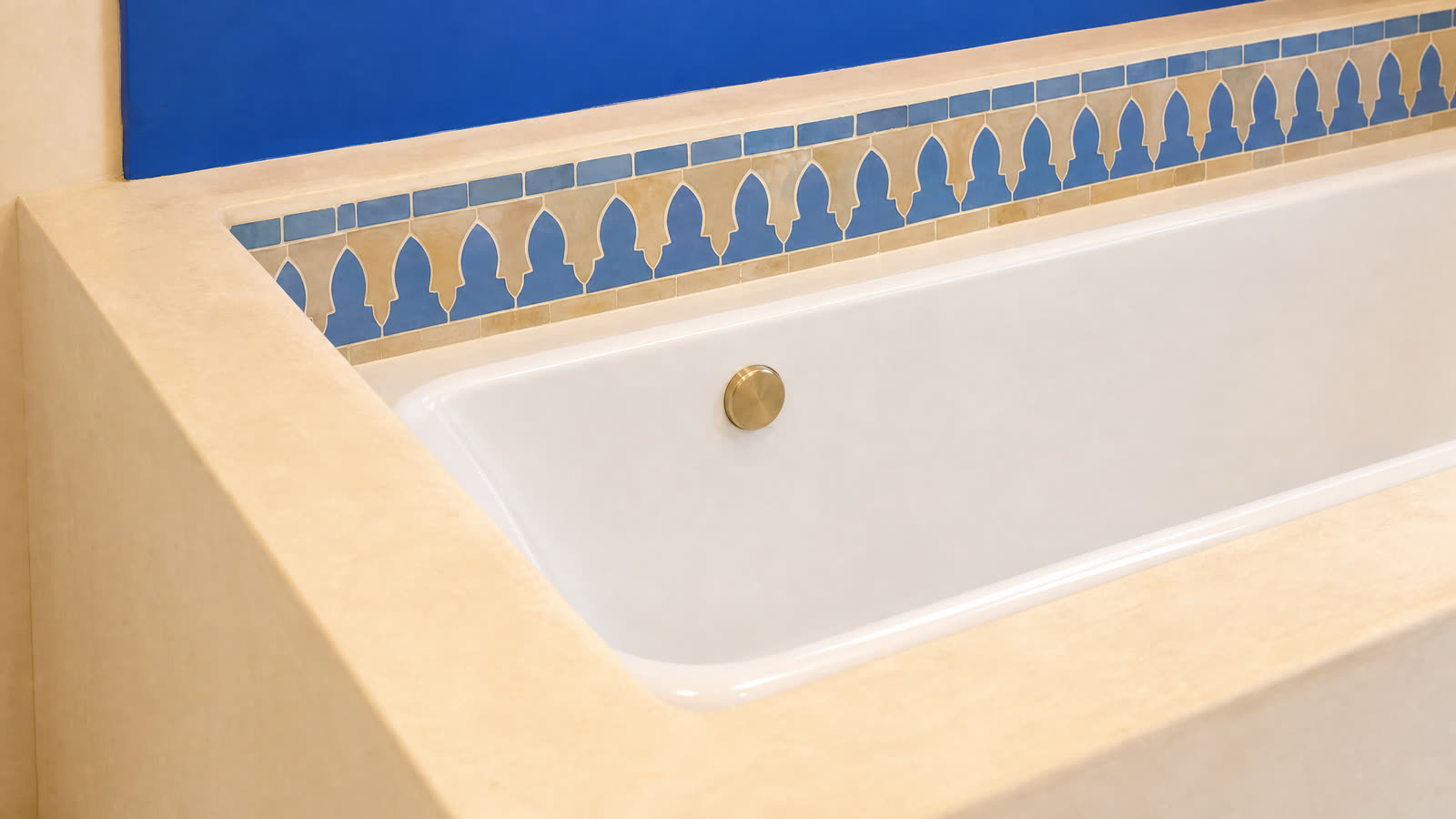
Cobalt, bottle green, turquoise, burgundy, terracotta: zellige is chosen like a paint colour, but it lives with the light. Here are a few shades and a few ways to lay them.
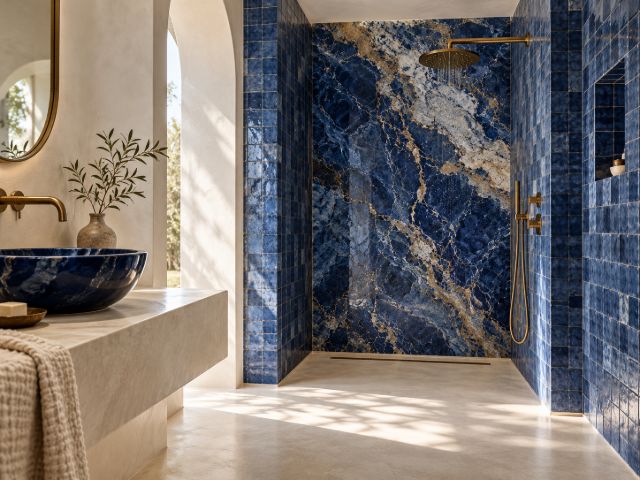
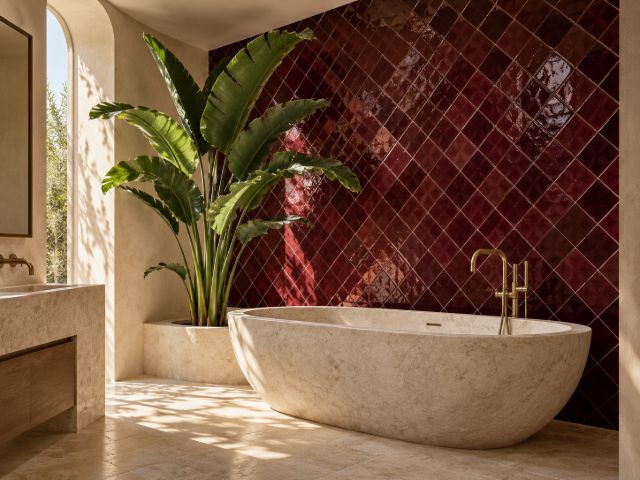
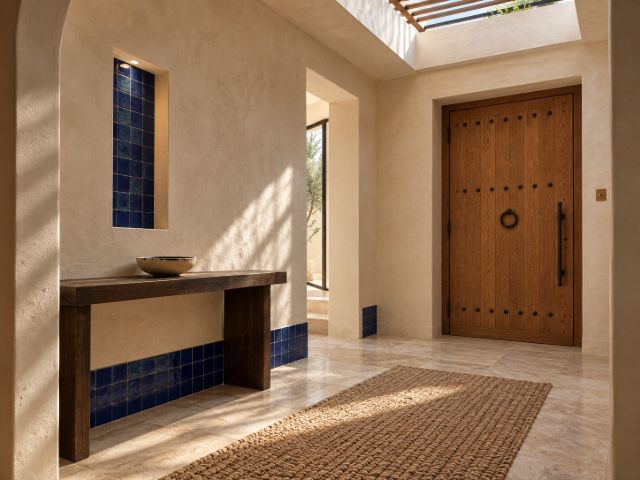
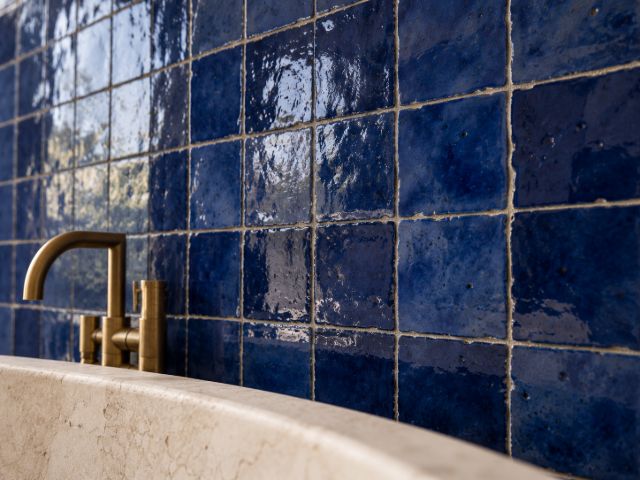
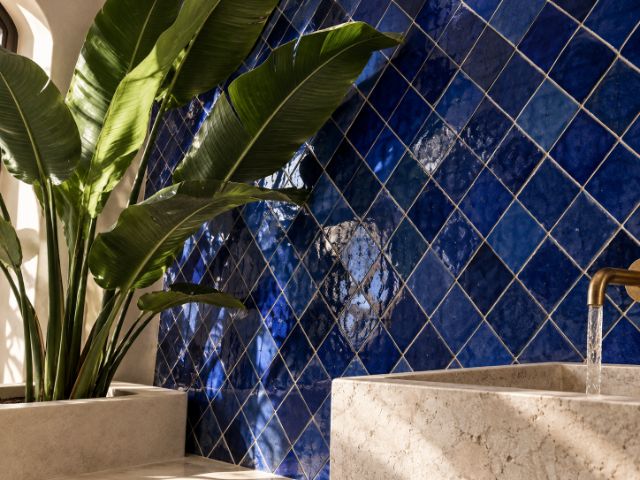
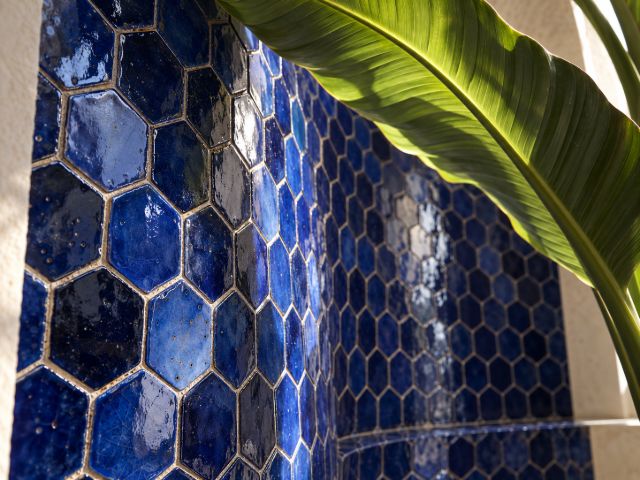
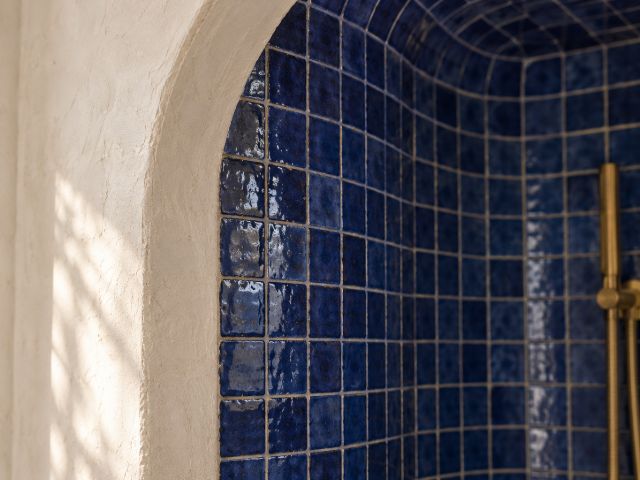
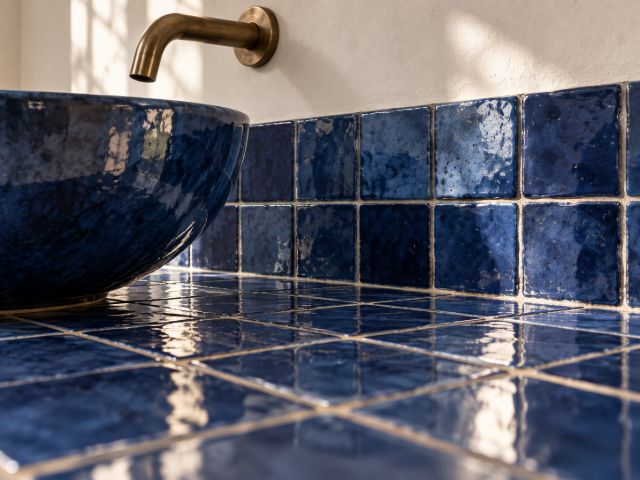
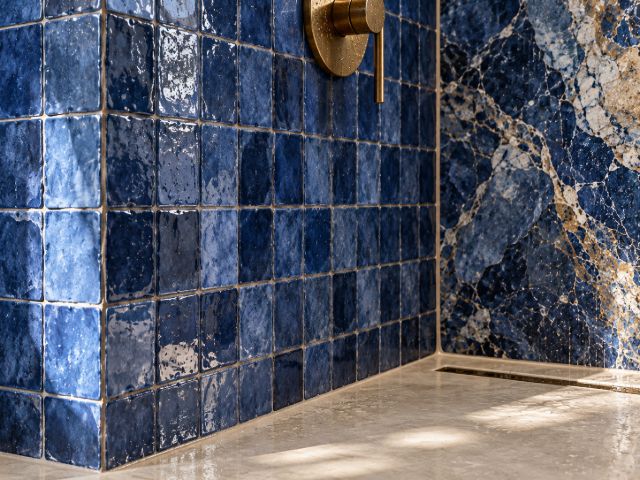
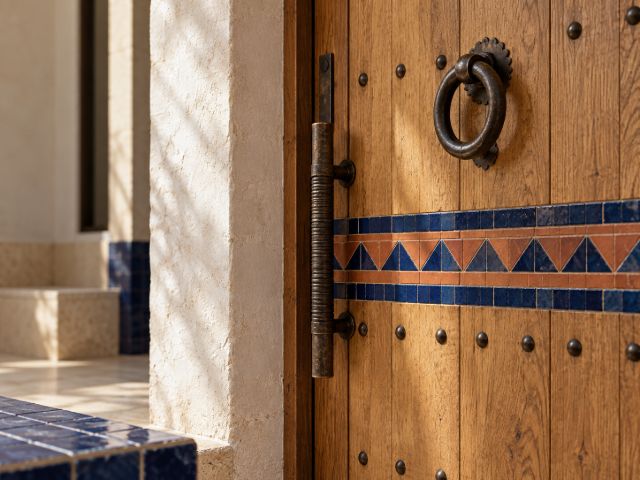
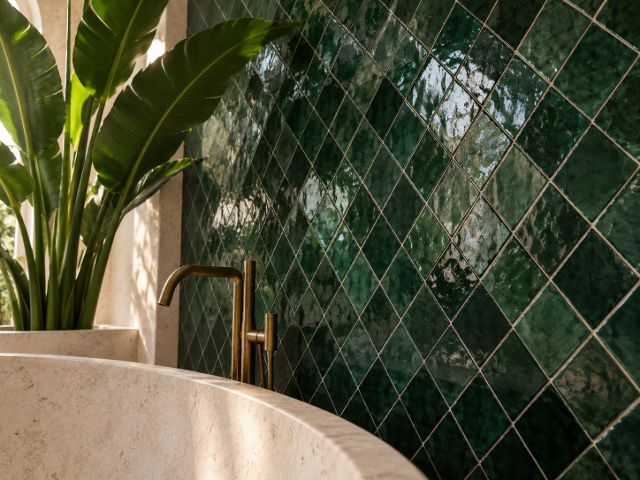
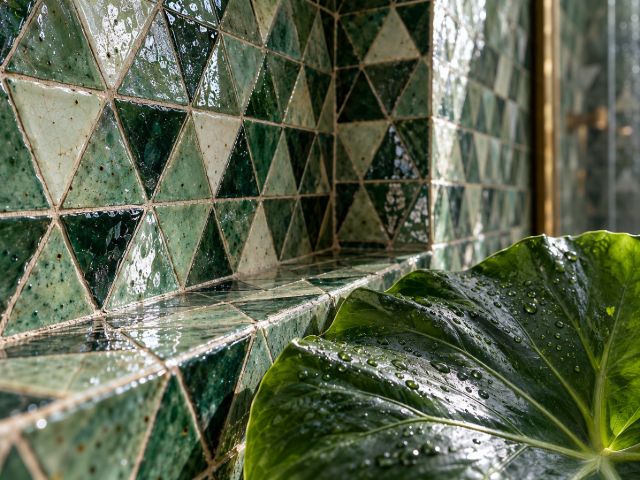
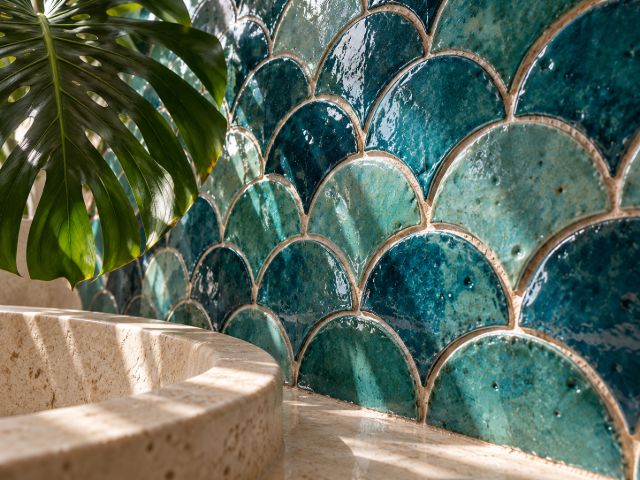
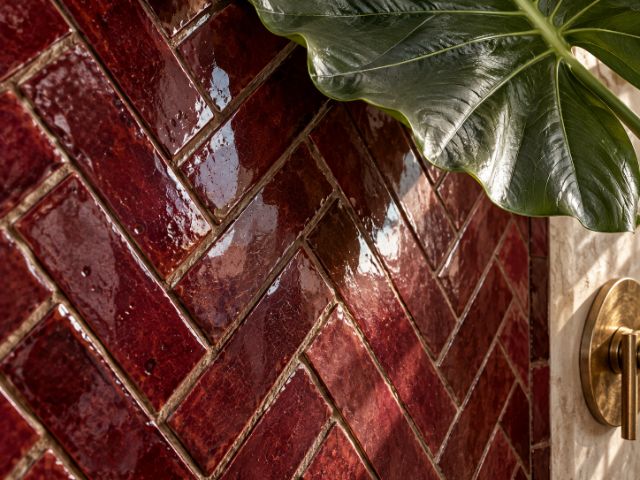
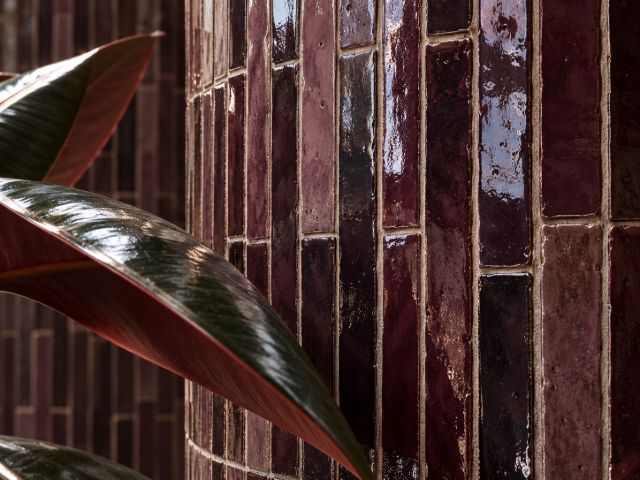
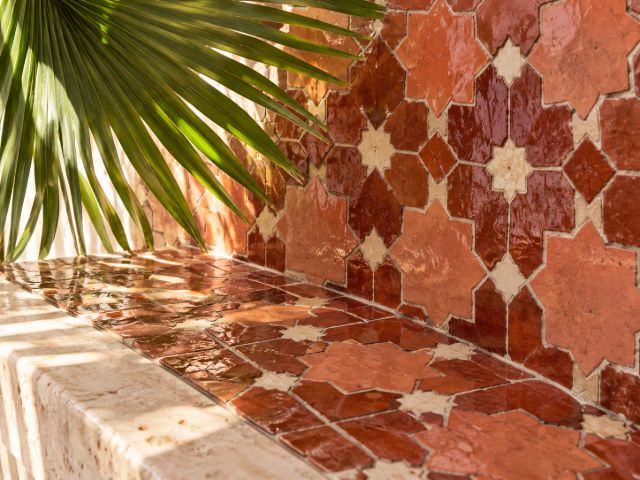
Inspiration photos: every zellige is handmade, and its shades change from one piece to the next. We compare samples with you, at home, in the room’s own light.
In the Maghreb and al-Andalus, artisans cut glazed terracotta into small pieces to compose patterns. Zellige is born.
Under the Marinid dynasty, Fez becomes the great centre of zellige. The Bou Inania and Al-Attarine madrasas bring zellige, carved plaster and cedar together in a single harmony.
Between Morocco and Andalusia, artisans and know-how travelled for centuries. Zellige, chiselled plaster and carved wood formed a shared vocabulary there, often called Hispano-Moorish art.
Fès is still the capital of zellige. Master craftsmen still pass on the gestures by hand, and their pieces travel all the way to homes here.
Tap here to draw the circle
Tap the workshop: a circle, a square, then the same square turned.
All zellige starts here: a compass and two squares. The eight-pointed star appears by itself.
Choose three glazes: the star, the petals, the background.
Each colour is fired separately. Shades vary from one piece to the next: that is the signature of handmade work.
Tap the panel to lay the pieces.
In your home, the substrate and waterproofing come first. The hand-cut pieces arrive ready to lay.
Wipe the panel with the sponge.
The joints are filled, then a sealer protects the zellige. It is renewed over time, especially in a shower.
Make it yours: tap a piece or a zone, then a glaze.
This touch can live in a shower, a backsplash or an entrance. We talk it over together, on plan.
Historically, a large zellige panel meant hundreds of hours of work for the master craftsmen. Nothing is moulded: every star is cut, one by one.
Clay from the Fez region is shaped into tiles, then dried in the sun.
The tiles are fired, glazed in one colour, then fired again.
With a hammer, the craftsman cuts each piece by hand from a template: stars, diamonds, almonds.
Traditionally, the pieces are laid face down following the pattern’s plan, then set in mortar.
Moroccan craft suits almost every room, even the floor, as in a riad courtyard. The material is chosen for how each space is used.
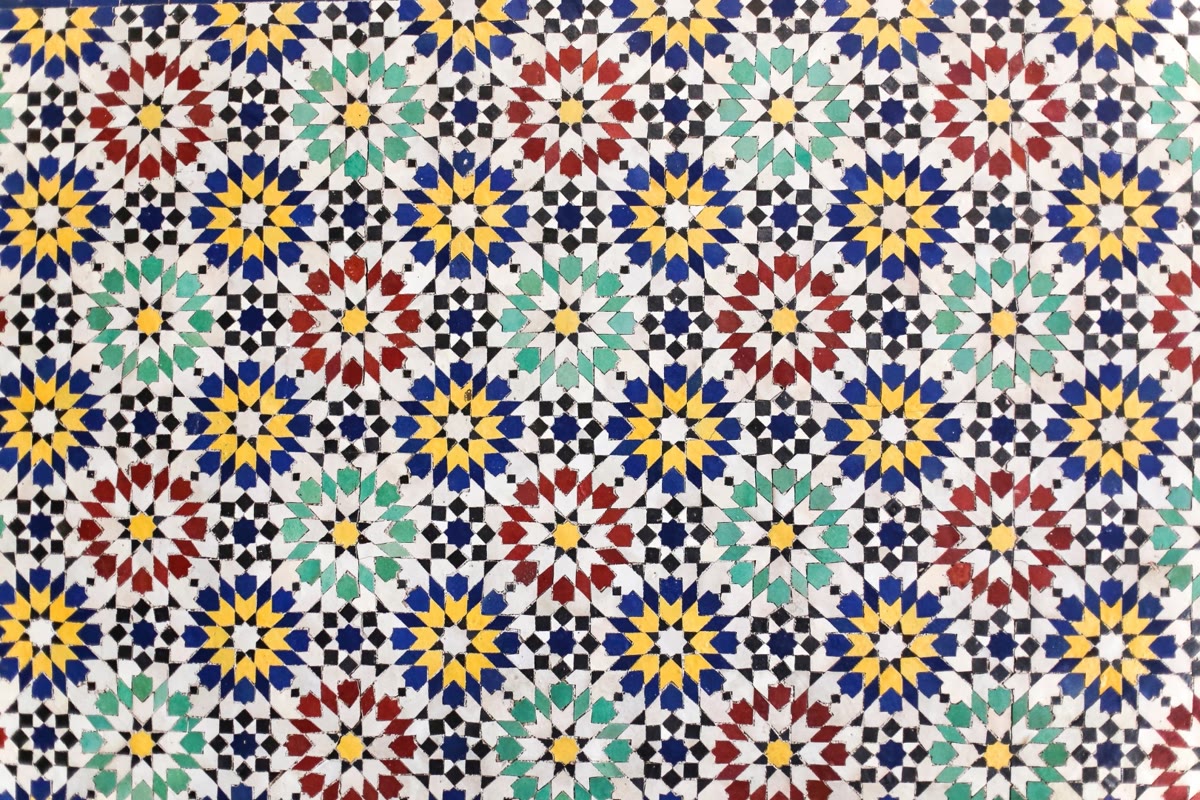
A zellige backsplash or countertop.
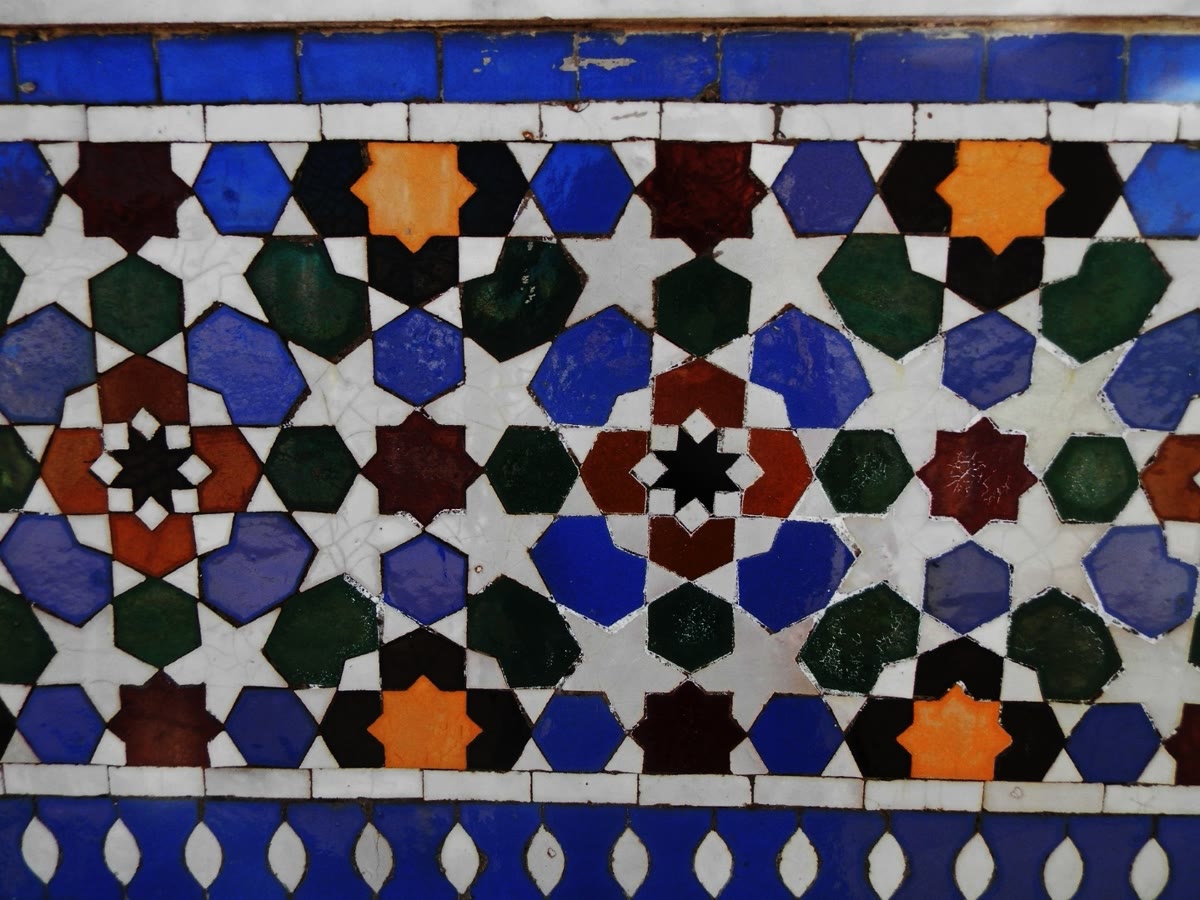
A tadelakt wall, a fireplace, a carved plaster frieze.
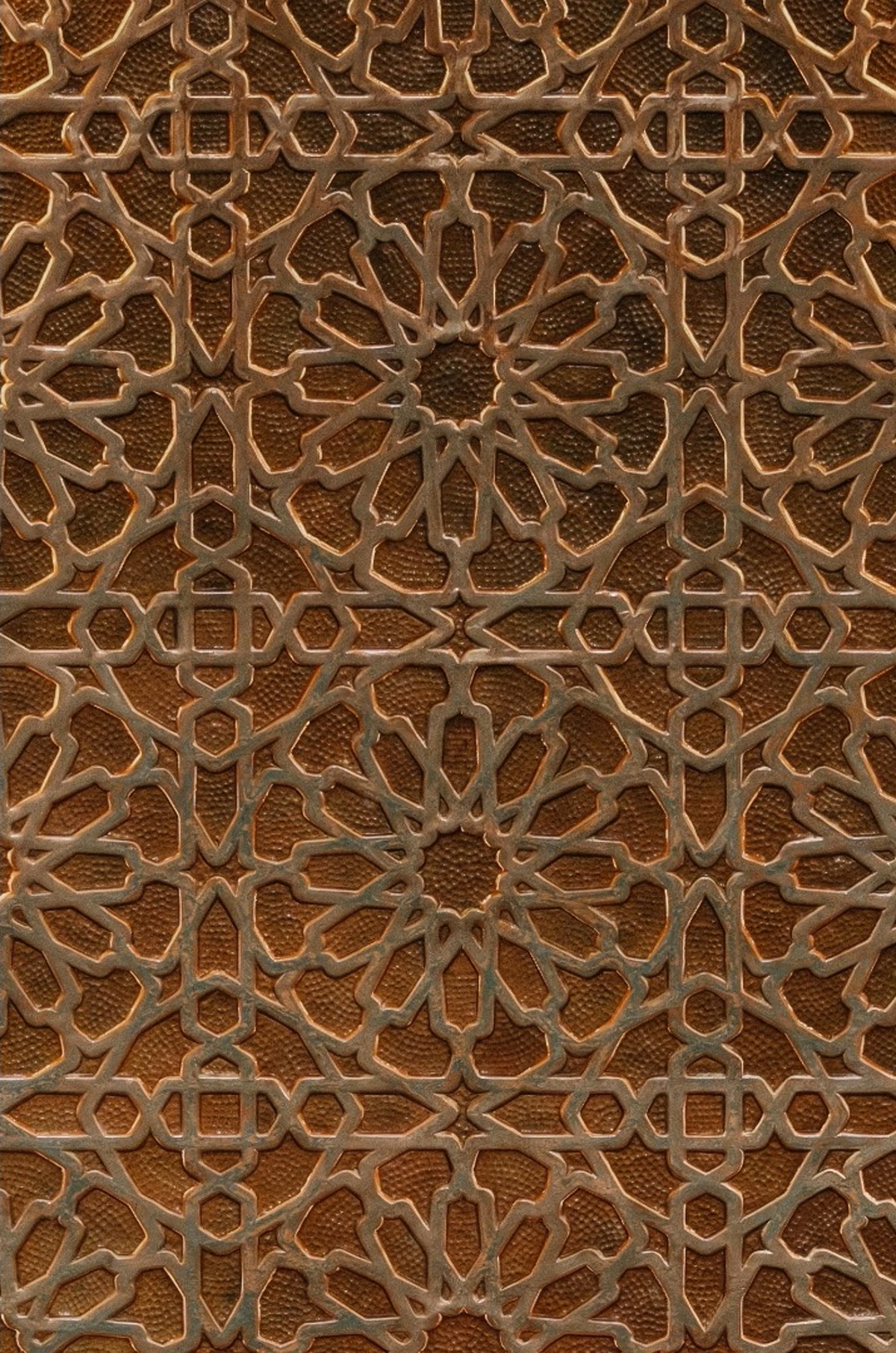
Cedar wood, carved or painted.
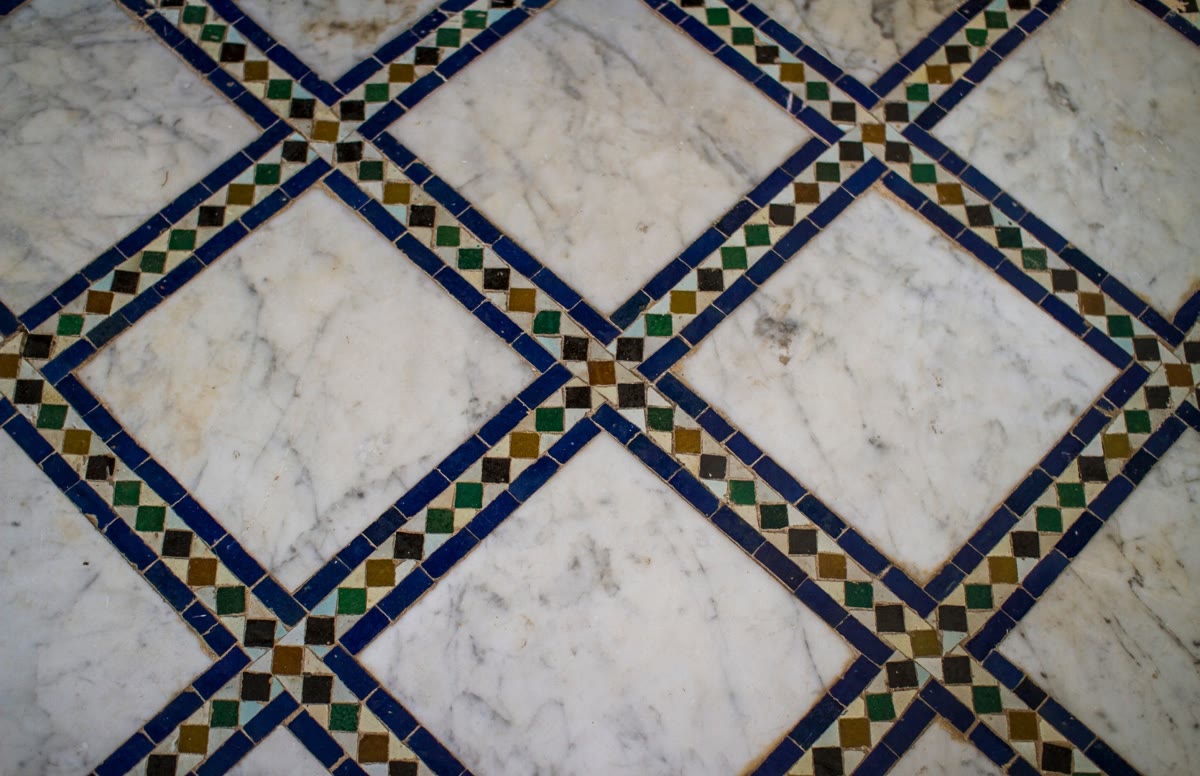
A zellige rug, in an entrance or a bathroom.
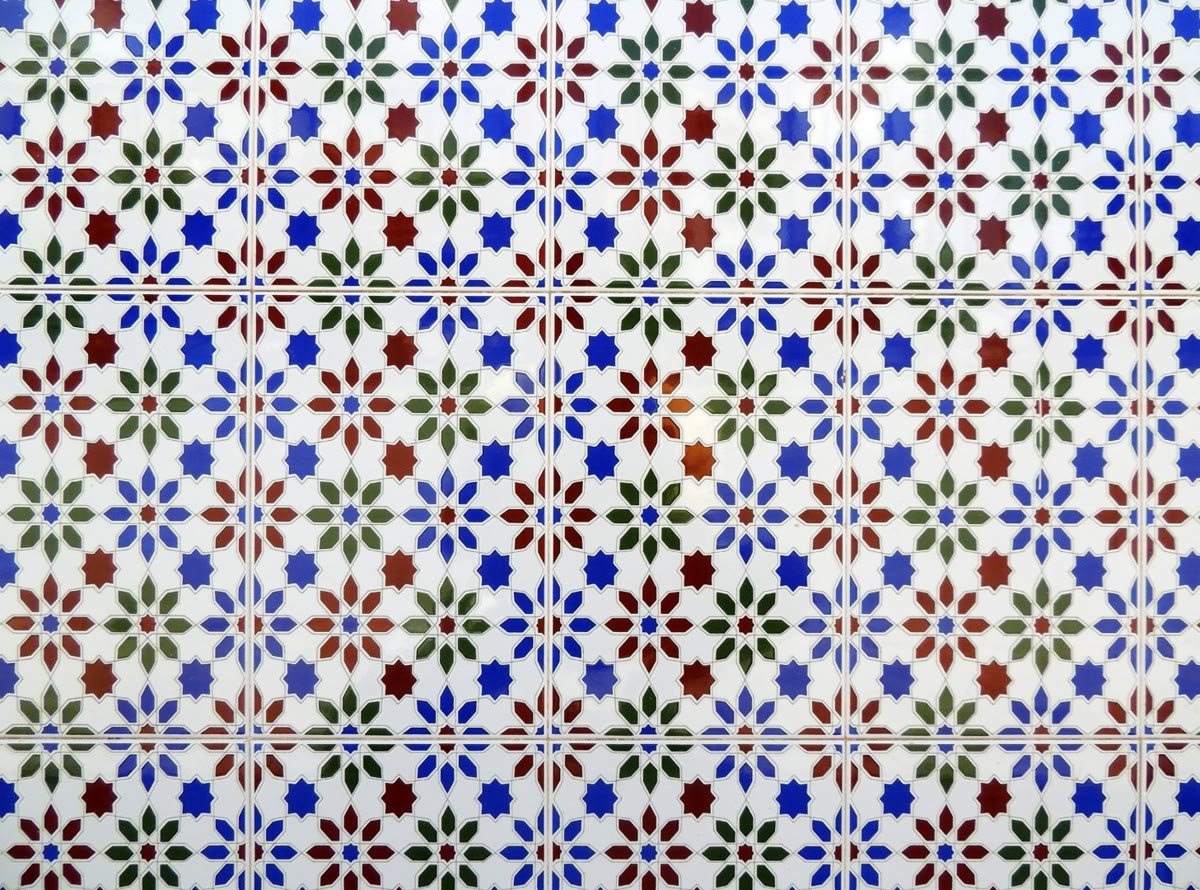
A touch of zellige, with a frost-resistant product.
No need to transform everything: a backsplash, a shower wall, a niche, a fireplace surround or stair risers are enough to add character.
In a shower, waterproofing is done under the covering. The zellige is then protected by a suitable sealer, to be renewed over time.
Freeze and thaw are demanding. Outdoors, we first check that the product suits our climate; indoors, no worries.
Colour variations and small irregularities are part of the charm. We also build import lead times into the schedule.
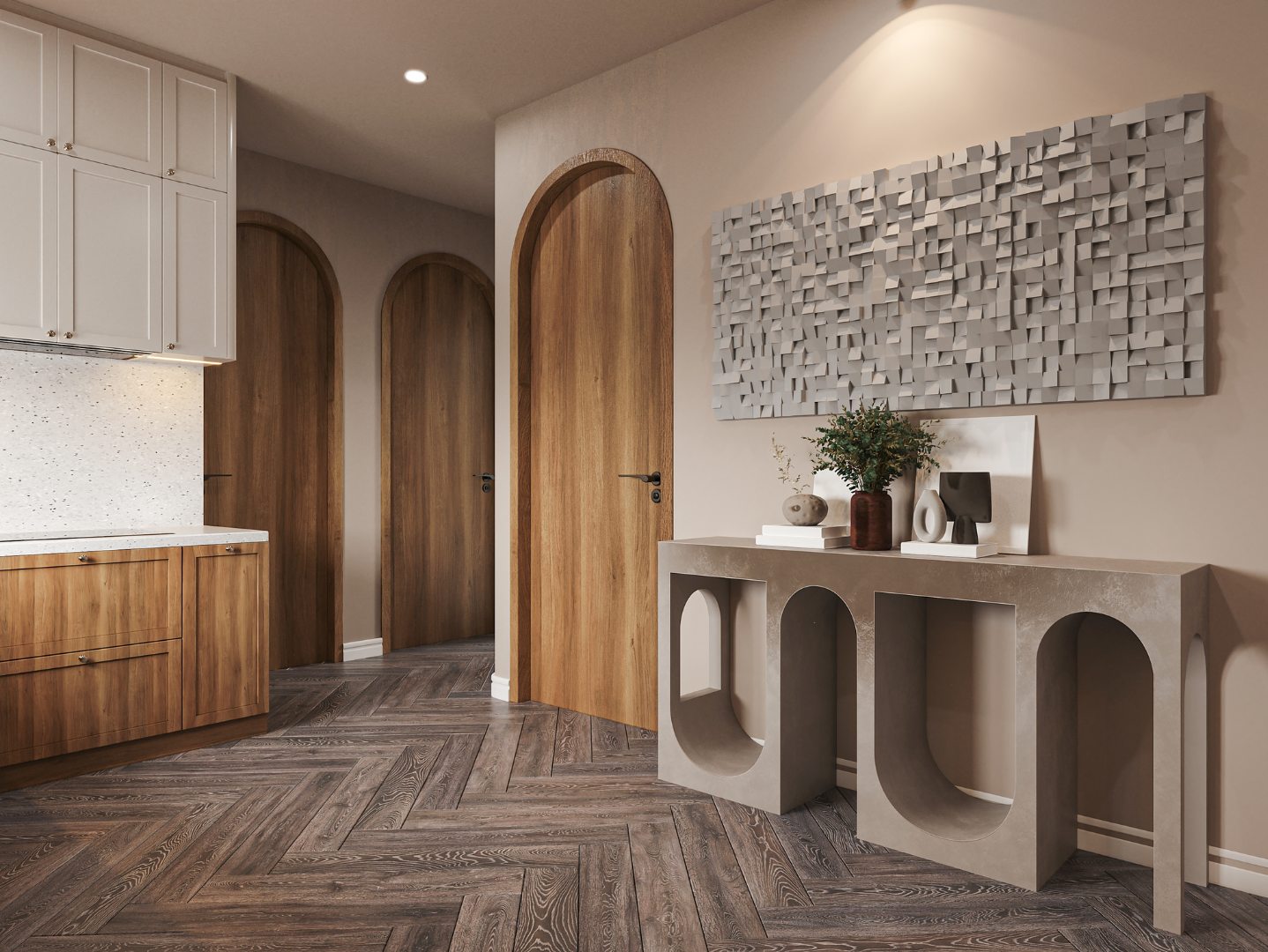
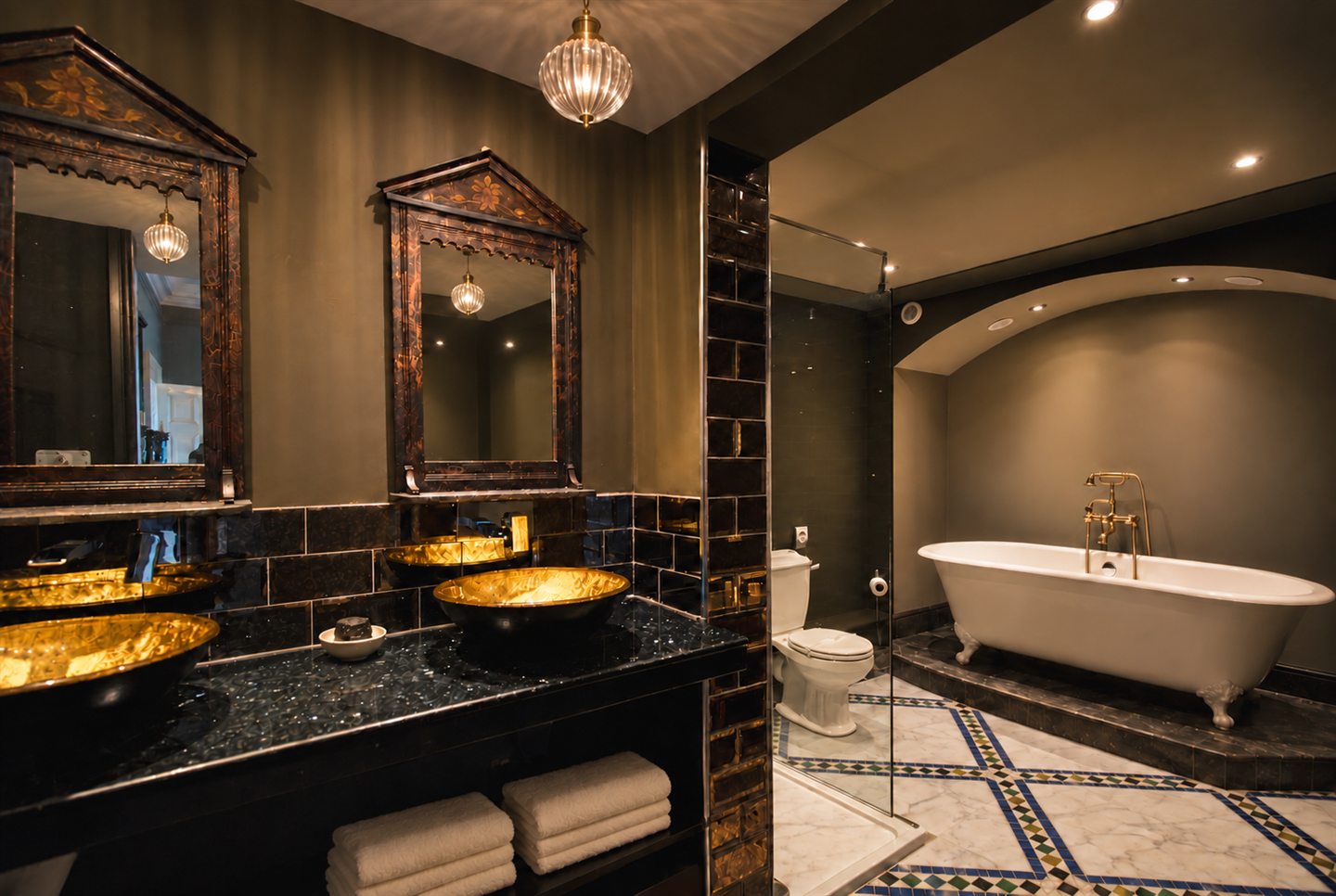
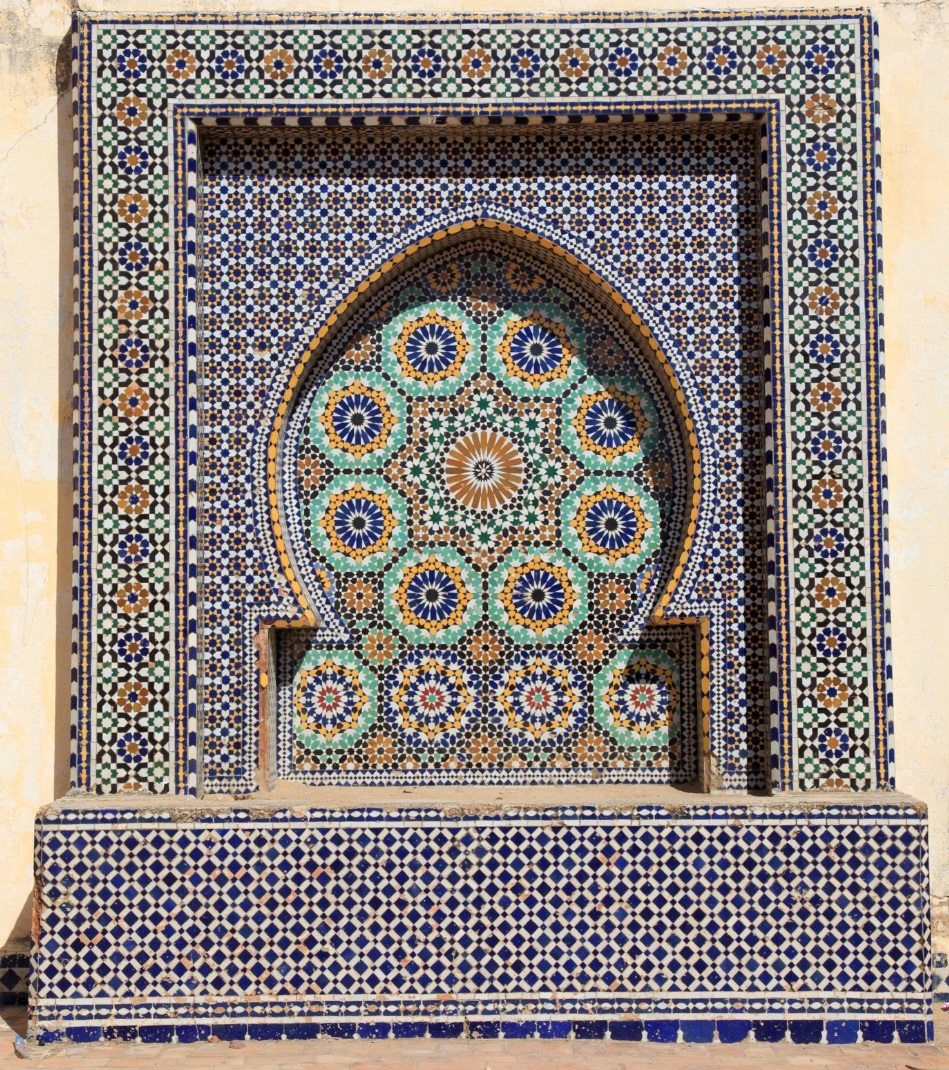
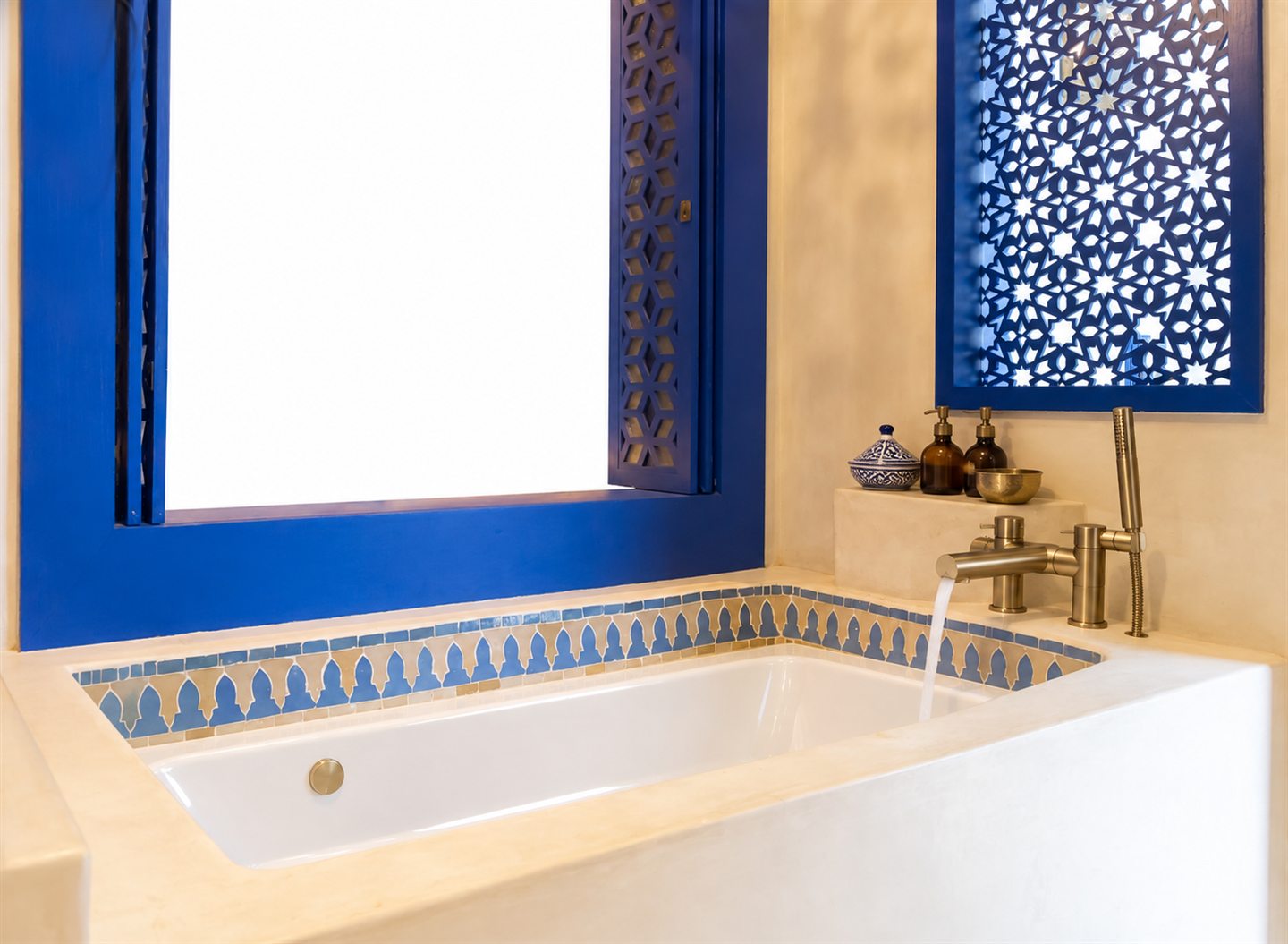
Structure, waterproofing and ventilation follow local standards. The craft comes as a finish: we plan the surface, the pattern and the preparation, and we coordinate installation with experienced tilers.
Not at all. It suits almost every room: a kitchen backsplash or countertop, a living room wall, an entrance, a fireplace, a deck or a corner of the garden, and even the floor. Zellige, tadelakt, carved plaster or cedar: the material is chosen based on how each space is used.
Yes, it’s even a traditional use. Waterproofing is done under the covering, then the zellige and its joints are protected by a suitable sealer.
With care. Freeze and thaw are demanding for glazed terracotta: you need to check that the chosen product suits our climate before considering outdoor use.
Because they are made and cut by hand. Variations in shade and small irregularities are sought after: they give the wall its depth.
Simply: a soft cloth and a pH-neutral cleaner, with no abrasive or acidic products. The joints, and depending on the type of tile the surface, are protected by a sealer. In a shower or humid room, the sealer is renewed roughly every one to two years. Over time, zellige develops a patina: that’s part of its charm.
Yes, in a bathroom for example. It’s a demanding plaster that requires an experienced artisan and a well-prepared substrate.
Often, yes. Handmade pieces are sometimes imported: we build that lead time in from the planning stage.
Even if your ideas aren’t fully drawn yet. We take the time to understand what matters to you.